
Pool Pump Series: Get to Know Your Pool Pump
If you want a clean, clear, and safe pool, your pool pump is the most important piece of equipment. Think of it as the “heart” of your pool—without it, water circulation stops, chemicals don’t distribute properly, and your pool quickly becomes cloudy or unsafe.
This post will help you understand your pool pump, its parts, and how it works so you can maintain it better and spot problems early.

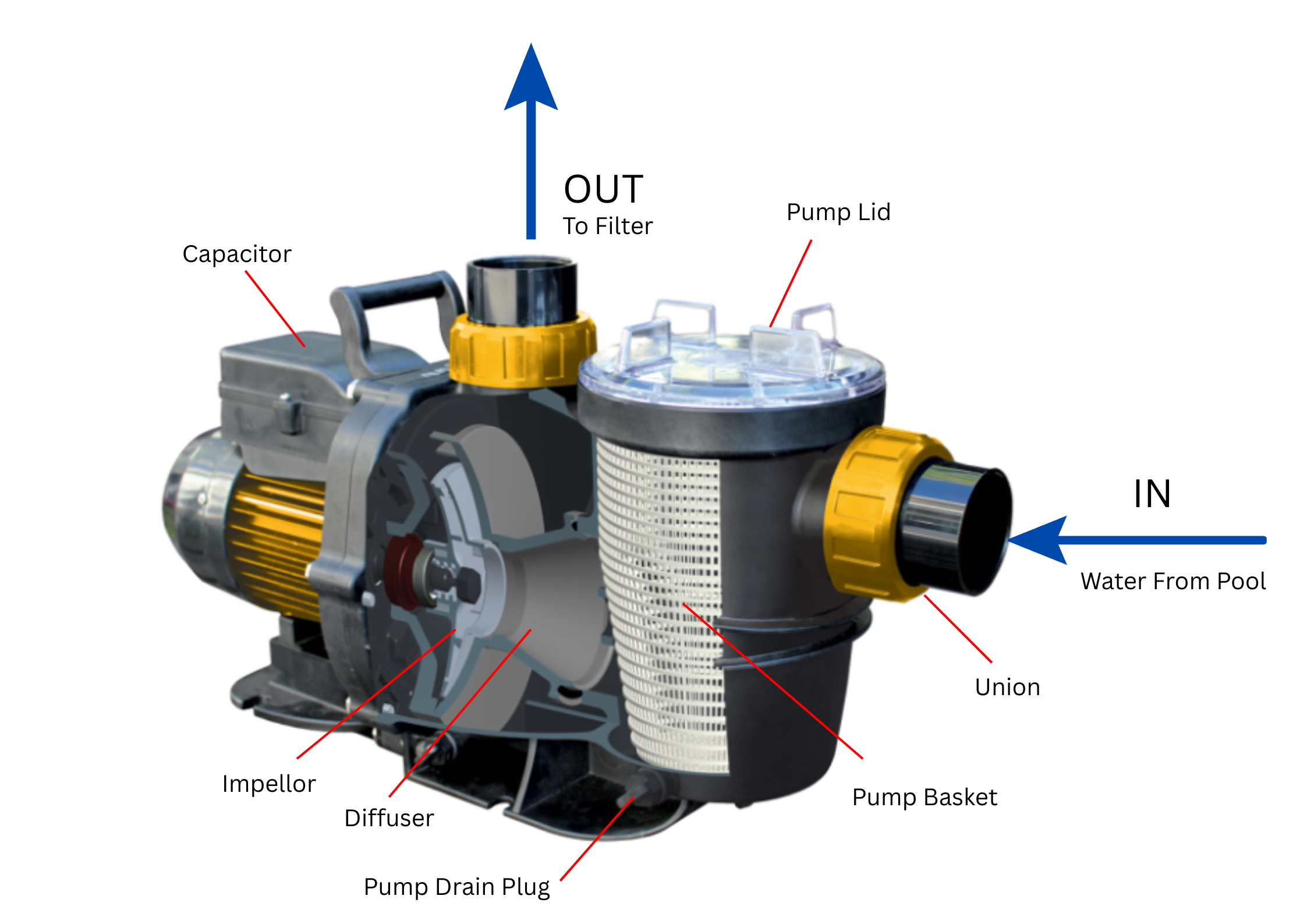
1. The Main Components of a Pool Pump
Pump Housing
The outer shell of the pump protects the motor and impeller.
Usually made of durable plastic or metal.
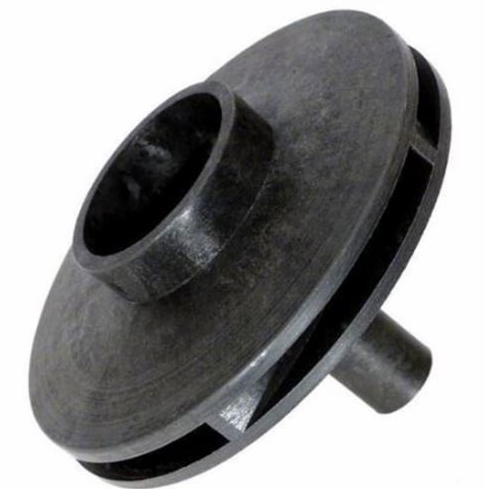
Impeller
The rotating component that moves water through the pump and filter.
Works like a propeller, pushing water from the suction side to the discharge side.

Pump Basket
Captures leaves, debris, and hair before they reach the impeller.
Prevents clogs and protects your pump.
Pump Lid & O-Rings
The lid keeps the pump sealed.
The o-ring prevents air from entering, which is critical to maintaining prime
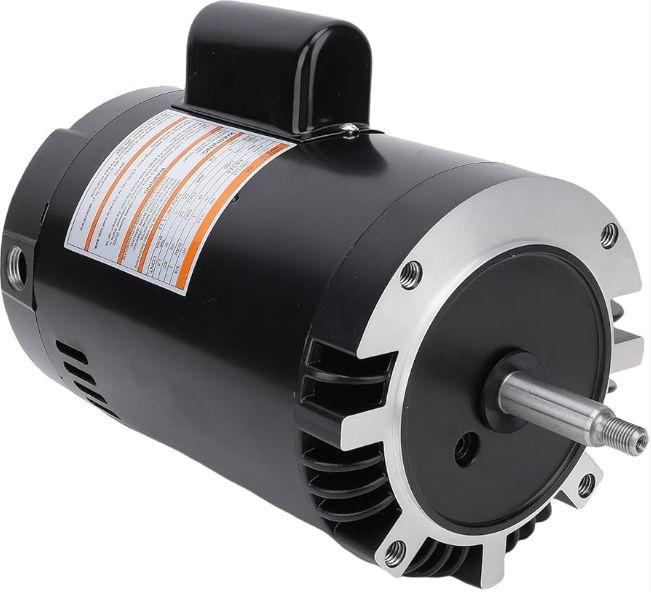
Motor
Powers the impeller and moves water through the system.
Can be single speed, dual speed, or variable speed.
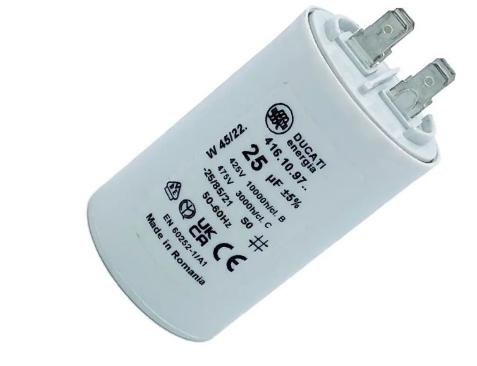
Capacitor
Provides the initial electrical boost to start the motor.
Helps maintain smooth operation once the pump is running.
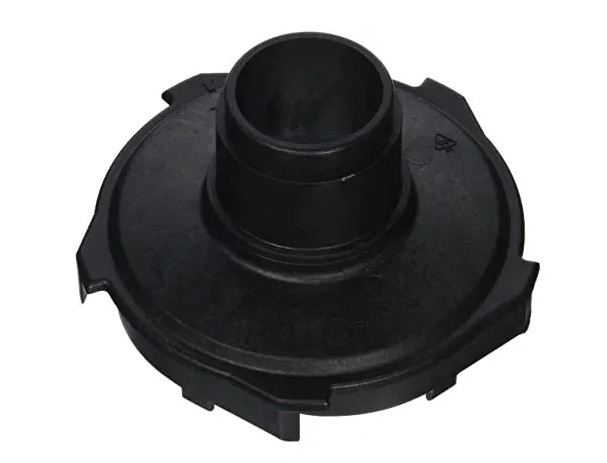
Diffuser
Creates a vacuum seal and funnels the flow of water to the impeller so the pump stays primed.
Suction and Return Ports
Suction: where water enters the pump from the pool
Return: where water exits the pump and goes to the filter, heater, or pool jets
2. How a Pool Pump Works
Water enters the pump through the skimmer or main drain.
The impeller pushes water into the filter system.
Filtered and treated water returns to the pool through the return jets.
This circulation distributes chemicals, prevents algae growth, and keeps water clear.
💡 Fun fact: Most pools are designed to turn over all the water in the pool at least once per day, and the pump is what makes that possible.
3. Why Understanding Your Pump Matters
Knowing your pump helps you:
Detect early signs of issues (noise, leaks, low flow)
Maintain water circulation for clean and safe swimming
Save money by preventing major repairs
Extend the life of your equipment
4. Maintenance Tips
Check the pump basket regularly and remove debris
Inspect the o-ring and lubricate as needed
Keep the area around the motor ventilated
Ensure the pump is running long enough to circulate all pool water
Call a technician for motor or capacitor issues
Conclusion
Your pool pump may be hidden from view, but it is essential for healthy, sparkling pool water. Understanding its parts and how it works is the first step toward keeping your pool safe and well-maintained.
💡 Next in our series: We’ll look closer at some common pump issues, starting with the impeller, and how to know when your pump isn’t circulating water properly.